Top Practices for Local Computer Recycling: A Comprehensive Guide
Understanding Local Computer Recycling
What is Local Computer Recycling?
Local computer recycling refers to the process of recycling electronic waste, specifically computers and their components, within a community. This practice is crucial for effective waste management, reducing environmental impact, and promoting sustainable resource use. Local computer recycling initiatives often include collection, processing, and repurposing electronics, which help divert waste from landfills and ensure that hazardous materials are handled responsibly. For more information on how you can contribute to this vital cause, explore local computer recycling.
Importance of Responsible E-Waste Disposal
As technology advances, the amount of electronic waste generated is on the rise. Improper disposal of e-waste can lead to toxic materials like lead, mercury, and cadmium contaminating soil and water sources. Responsible e-waste disposal through local computer recycling ensures that harmful substances are managed correctly, protecting public health and the environment. Additionally, recycling electronics conserves natural resources and reduces the need for producing new devices, which can have a significant carbon footprint.
Benefits of Local Computer Recycling
Engaging in local computer recycling provides numerous benefits, including:
- Environmental Protection: Minimizing landfill waste reduces pollution and environmental degradation.
- Resource Conservation: Recycling electronics allows valuable materials like metals, plastics, and glass to be reclaimed and reused, reducing the demand for new raw materials.
- Community Engagement: Local recycling initiatives foster community connections and raise awareness about sustainability practices.
- Economic Opportunities: Recycling creates jobs in collection, processing, and refurbishing electronics, contributing to local economies.
How to Find Local Computer Recycling Services
Researching Neighborhood Recycling Options
Finding local computer recycling services can be accomplished through various means. Start with local government websites to identify designated recycling facilities in your area. Many municipalities provide comprehensive lists of approved e-waste disposal sites, along with their operating hours and accepted materials.
Online Resources and Directories
Several online platforms exist to help individuals locate e-waste recycling centers. Websites like Call2Recycle and the Environmental Protection Agency’s eCycling site can guide users to nearby facilities. Social media groups and community boards can also provide recommendations and updates on local recycling events.
Community Events for E-Waste Collection
Many cities host periodic e-waste collection events where residents can drop off their old electronics for proper recycling. These events may be organized by local governments, non-profits, or businesses aiming to promote sustainability. Stay updated on these community events through local news outlets, social media, or community bulletins.
Preparing Your Electronics for Recycling
Data Wiping: Protecting Your Information
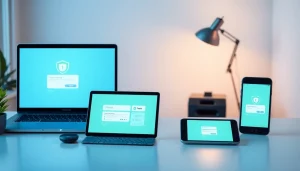
Before recycling your electronics, it’s vital to ensure that your personal data is securely wiped from devices. This can be achieved through factory resets or specialized data destruction software that overwrites existing data. For highly sensitive information, consider consulting with professionals who provide certified data destruction services.
Sorting and Organizing E-Waste
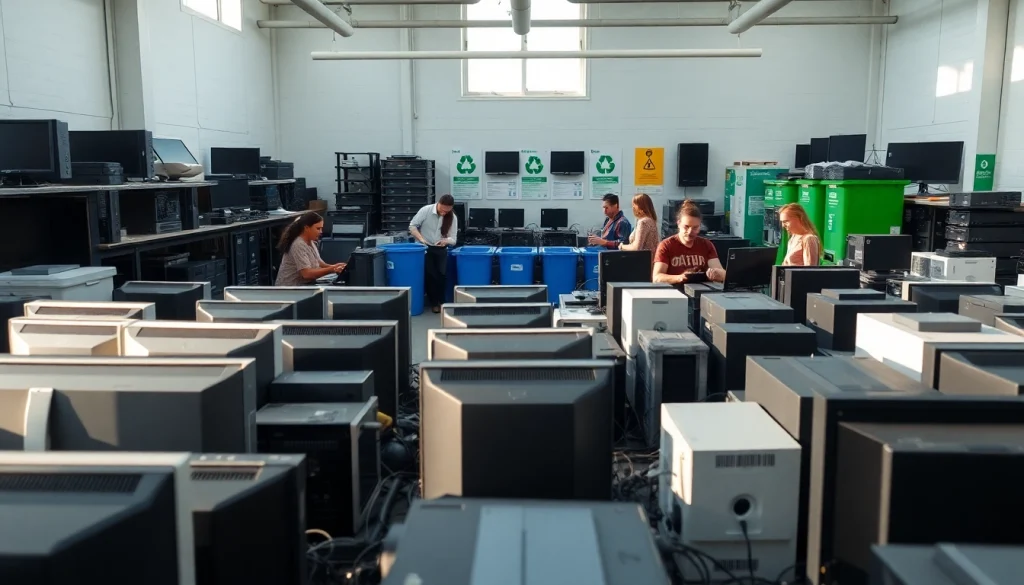
Organizing your e-waste can simplify the recycling process. Group similar items together, including computers, peripherals, and cables. This not only makes drop-off easier but also helps recycling centers efficiently process the materials. Additionally, separate items that may have unique recycling requirements, such as batteries or CRT monitors.
Know What Items Can be Recycled
Familiarize yourself with the types of electronics accepted for recycling. Most local computer recycling programs accept computers, laptops, monitors, printers, and smartphones. However, guidelines can vary based on local regulations, so checking with your recycling center is essential before drop-off.
Environmental Impact of Local Computer Recycling
Reducing Landfill Waste through Recycling
The rising tide of e-waste is a pressing environmental concern. By recycling computers and other electronics, we can significantly reduce the volume of waste entering landfills, which often leads to the leaching of harmful chemicals into the environment. Local computer recycling initiatives play a crucial role in mitigating this impact.
Conserving Resources with E-Waste Recycling
E-waste recycling not only reduces waste but also conserves precious resources. Electronics are composed of valuable materials including gold, copper, and rare earth metals. By recycling these components, we decrease the need for new mining activities, which can be environmentally destructive. This circular economy approach supports sustainability and resource management.
Supporting Local Green Initiatives
Participating in local computer recycling efforts strengthens community ties and showcases a collective commitment to environmental stewardship. Supporting such initiatives also contributes to broader green goals, including reducing carbon emissions and fostering sustainable practices. Each recycling effort counts towards a healthier planet.
Frequently Asked Questions About Local Computer Recycling
What types of electronics can I recycle locally?
Most recycling programs accept computers, laptops, monitors, and smartphones. Check with local services for specific guidelines.
Is local computer recycling free?
Many local recycling programs offer free drop-off services, but some may charge fees for certain items. Always verify beforehand.
How can I ensure my personal data is safe?
Perform a thorough data wipe or factory reset on devices before recycling. Consider using professional data destruction services if sensitive.
Can businesses recycle electronics locally?
Yes, many local recycling centers cater to both individuals and businesses, offering special services for larger quantities of e-waste.
Why is local computer recycling important?
Recycling electronics prevents harmful materials from entering landfills, conserves natural resources, and promotes sustainable waste management.