
Understanding Wet Room Showers
What is a Wet Room Shower?
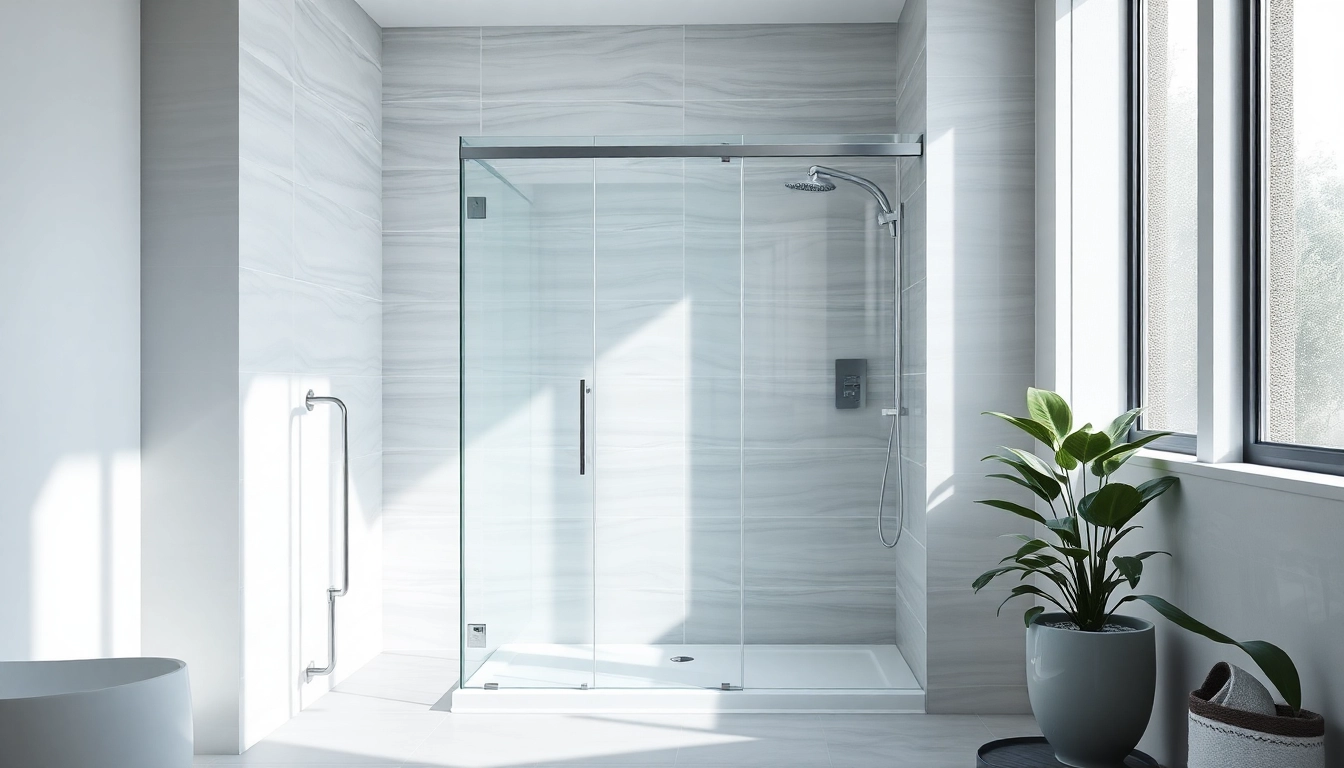
A wet room shower is a modern bathroom feature that integrates the showering space into a fully waterproofed room. Unlike traditional showers that are enclosed within a tub or a shower stall, a wet room shower offers a more open and spacious feeling. The entire room, including the floor, is designed to be water-resistant, allowing water to flow freely to drains typically set on the floor level, making the space easy to clean and maintain.
Benefits of a Wet Room Shower
The adoption of wet room showers is on the rise for various reasons. Here are some significant benefits:
- Space Efficiency: Wet rooms are great for maximizing small spaces. The open-plan nature can give the illusion of a larger area.
- Accessibility: Particularly suitable for individuals with mobility challenges, as they can be designed without curbs or thresholds.
- Modern Aesthetic: Wet rooms offer a contemporary look, mainly when created using sleek materials such as tiles and glass.
- Ease of Cleaning: With fewer joints and grout lines, wet rooms are easier to clean compared to traditional shower enclosures.
- Increased Home Value: A well-designed wet room can enhance the attractiveness of a property, thus increasing its value.
Key Design Elements
Creating a wet room requires careful consideration of various design elements to ensure functionality and aesthetics:
- Drainage Solutions: Effective drainage is crucial in a wet room setup. A linear drain can provide efficient water removal and enhance the design.
- Waterproofing: Proper waterproofing of walls and floors using membranes or coatings prevents moisture-related issues.
- Glass Partitions: While some opt for fully open spaces, glass panels can help define the shower area while keeping the room feeling expansive.
- Lighting: Optimal lighting, both natural and artificial, is vital in enhancing the wet room’s ambiance.
- Shower Fixtures: Styling the shower fixtures with a choice of elegant and functional options is essential for an integrated look.
Choosing the Right Materials
Waterproofing Techniques
Ensuring your wet room shower remains functional and free from leaks requires effective waterproofing methods. Typically, the following techniques are employed:
- Membrane Systems: Liquid applied membranes or sheet membranes can be used on floors and walls to create a waterproof barrier.
- Surface Sealing: Sealing agents can be applied to tiles and joints to provide an extra layer of protection.
- Proper Sloping: The floor should be sloped towards the drainage point to allow for quick drainage of water.
Tile Options for Your Wet Room Shower
Choosing the right tiles for your wet room shower can impact both aesthetics and functionality. Here are ideal options:
- Porcelain Tiles: Highly durable and water-resistant, these tiles are a popular choice for wet rooms.
- Natural Stone: Options like slate or granite can create a luxurious look but may require additional sealing.
- Glass Tiles: These can reflect light and create a spacious atmosphere but must be installed carefully to avoid slipping.
Materials for Durability and Style
A wet room shower combines functionality and design, requiring materials that can withstand moisture yet provide visual appeal:
- Waterproof Paint: For walls, using moisture-resistant paint can prevent peeling and mildew.
- Glass Shower Screens: These not only provide a modern touch but also keep the space open and airy.
- Anti-Slip Flooring: Selecting tiles with anti-slip properties can enhance safety in wet areas.
Maximizing Space in a Wet Room Shower
Efficient Layout Designs
Executing an efficient layout is fundamental in a wet room shower, especially for smaller bathrooms. Consider the following layout strategies:
- Corner Showers: Utilizing corner areas helps make the most of limited space.
- Integrated Furniture: Built-in niches for toiletries eliminate clutter and maximize space.
- Floating Vanities: Wall-mounted fixtures can create a more open floor space.
Incorporating Storage Solutions
In a wet room, storage solutions can enhance organization without compromising style:
- Wall Niches: Built-in alcoves can be used for holding shampoos and soaps.
- Open Shelving: This keeps essentials easily accessible while maintaining an airy feel.
- Storage Benches: These can double as seating and provide hidden storage underneath.
Creating the Illusion of Space
Visual perception plays a significant role in how spacious a wet room shower feels. Techniques include:
- Mirrored Surfaces: Using mirrors can reflect light and create depth.
- Light Color Palettes: Soft colors expand perceived space, making rooms appear larger.
- Open Design Elements: Minimizing barriers and using clear glass fittings maintains a sense of continuity.
Maintenance Tips for Wet Room Showers
Cleaning Techniques for Durability
Regular maintenance keeps your wet room shower looking pristine and performing well:
- Daily Rinsing: Use a handheld shower to rinse off soap and shampoo residues.
- Weekly Deep Cleaning: Use non-abrasive cleaners to remove buildup and prevent staining.
- Drying Surfaces: After use, wiping down surfaces can minimize water spots and mold growth.
Preventing Mould and Mildew
Keeping surfaces mould-free is crucial in a wet environment:
- Ventilation: Ensure adequate airflow with exhaust fans to reduce trapped moisture.
- Use Anti-Mould Products: Apply fungicidal sprays and mould-resistant sealants.
- Regular Inspections: Check for leaks and seal any gaps to prevent mildew development.
Maintaining Fixtures and Fittings
Keeping fixtures in optimal condition requires a few simple maintenance practices:
- Frequent Checks: Regularly inspect taps and showerheads for leaks or build-up.
- Use Appropriate Cleaners: Avoid harsh chemicals that can damage finishes and surfaces.
- Seal Gaps: Replace worn seals and gaskets to prevent water ingress and maintain functionality.
FAQs About Wet Room Showers
What is a wet room shower?
A wet room shower is a waterproofed bathroom area with a level floor allowing direct drainage, usually enclosed by glass walls.
Are wet room showers suitable for small bathrooms?
Yes, wet room showers can maximize space with efficient designs and layouts tailored for compact areas.
How do I maintain a wet room shower?
Regular cleaning, using mold-resistant sealants, and ensuring proper ventilation can help maintain your wet room shower.
What materials are best for a wet room shower?
Waterproof tiles, glass enclosures, and moisture-resistant materials are ideal for a wet room shower’s longevity and aesthetics.
Can I install a wet room shower myself?
While DIY installation is possible for skilled individuals, hiring professionals ensures waterproofing and drainage are correctly handled.