
Understanding Central Heating Hidden Leaks
Hidden leaks in central heating systems are more common than many homeowners realize. These leaks can lead to costly repairs, increased energy consumption, and potential damage to your property. As they often occur within walls or under floors, they can be particularly challenging to detect without professional assistance. Understanding the causes and symptoms of a central heating hidden leak is crucial for any homeowner looking to maintain the efficiency and safety of their heating system. In this guide, we will explore essential information regarding hidden leaks, advanced detection techniques, preventive measures, and the financial implications of ignoring such issues.
What Causes Central Heating Hidden Leaks?
There are several factors that can lead to hidden leaks in central heating systems. Understanding these causes can help homeowners take preventive actions:
- Corrosion: Over time, pipes can corrode, especially in older systems, leading to weak spots that can develop into leaks.
- Pipe Joint Failure: Connections between pipes can degrade due to thermal expansion and contraction, resulting in leaks at the joints.
- Improper Installation: Pipes that are incorrectly installed may be subject to stress or movement, which can lead to leak development.
- Extreme Temperature Changes: Fluctuations in temperature can cause pipes to expand and contract, leading to cracks and leaks, especially in substandard materials.
- Age of the System: As central heating systems age, the materials naturally wear down and become more susceptible to leaks.
Identifying the Symptoms of a Hidden Leak
Detecting a hidden leak early can save homeowners from significant damage and repair costs. Symptoms to watch for include:
- Unexplained Increases in Energy Bills: A sudden spike in heating costs may indicate a hidden leak that is causing the system to work harder.
- Low Boiler Pressure: If your boiler pressure drops unexpectedly, it may be a sign of a leak in the heating system.
- Damp Patches: Look for wet spots or water stains on walls, ceilings, or floors, which can indicate a hidden leak nearby.
- Unusual Sounds: Listen for hissing or bubbling noises near your radiators or pipes, which can suggest water escaping from the system.
- Inconsistent Heating: If certain radiators are not heating up as expected, it might be due to a leak affecting the flow of hot water.
Importance of Timely Detection
Timely detection of a hidden leak is crucial, as it can prevent more extensive damage and costly repairs. Here are some reasons why:
- Prevention of Structural Damage: Water from leaks can weaken structures, leading to costly repairs and safety hazards.
- Mold Growth: Leaks can promote the growth of mold, which poses health risks and requires expensive remediation.
- Increased Energy Bills: As leaks cause heating systems to work harder, energy bills can escalate rapidly.
- Longer Recovery Time: Addressing leaks promptly can lead to less downtime for your heating system, ensuring you remain comfortable during colder months.
Advanced Techniques for Leak Detection
Advancements in technology have made it easier to detect hidden leaks accurately and quickly. Here are some of the most effective techniques employed by professionals:
Utilizing Thermal Imaging for Accurate Diagnosis
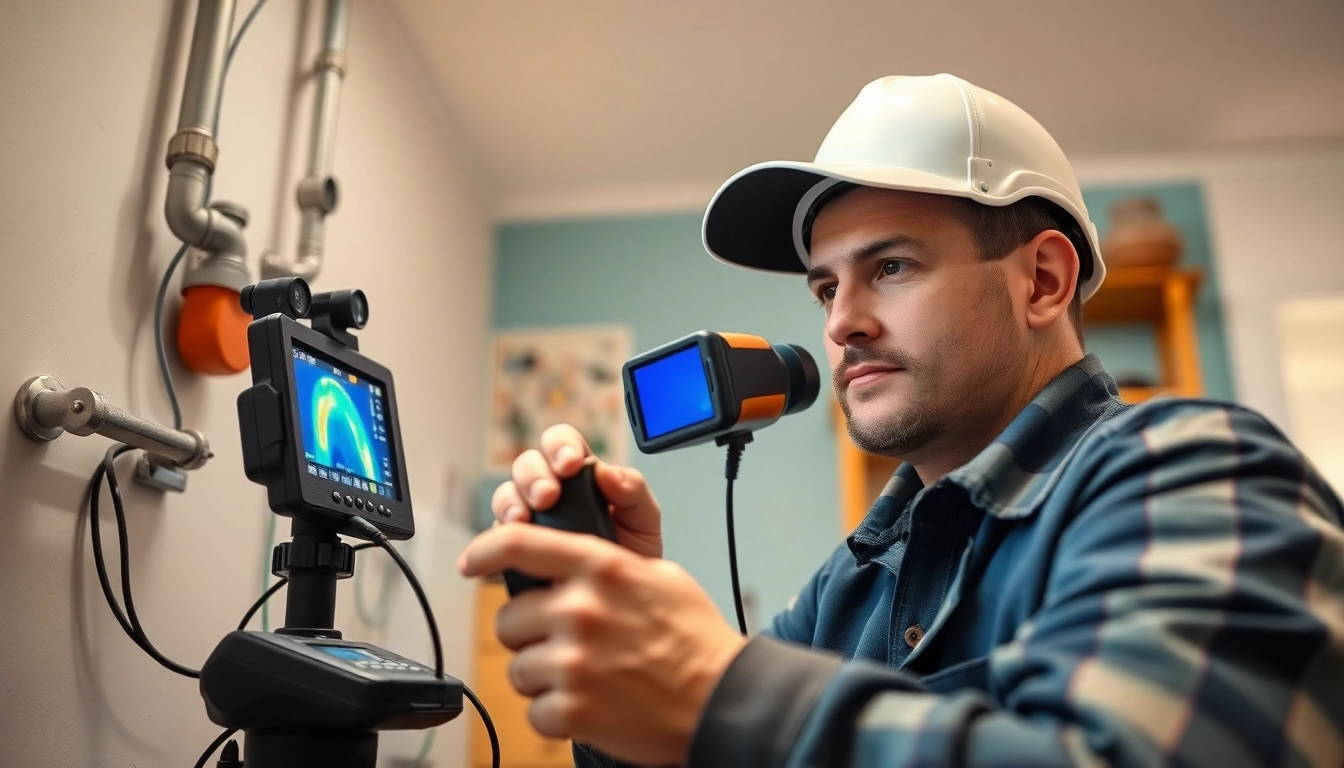
Thermal imaging cameras detect temperature variations on surfaces, allowing professionals to visualize hidden leaks without invasive methods. By analyzing temperature differences, technicians can pinpoint the exact location of a leak, making repairs quicker and less disruptive.
The Role of Acoustic Listening Devices
Acoustic listening devices amplify the sounds of water escaping from pipes, even when they are buried underground or hidden behind walls. This method allows for precise localization of leaks, ensuring that minimal disruption is caused during the detection process.
Moisture Mapping and Infrared Scanning Explained
Moisture mapping involves scanning areas to detect moisture levels, while infrared technology helps identify temperature variations caused by water leaks. These techniques work in conjunction to provide a comprehensive assessment of potential leak locations, offering homeowners peace of mind.
Preventive Measures for Central Heating Systems
Preventive measures can go a long way in avoiding hidden leaks in your central heating system. Here’s how to keep your system in top shape:
Regular Maintenance Tips for Homeowners
- Annual Inspections: Schedule yearly check-ups with a qualified technician to ensure your system is functioning efficiently and safely.
- Monitor Pressure Levels: Regularly check your boiler’s pressure gauge to identify any unexpected drops that may indicate a leak.
- Bleed Radiators: Air trapped in radiators can lead to inefficiencies; regularly bleed radiators to maintain optimal function.
How to Spot Signs Before They Escalate
Be vigilant about monitoring for signs of leaks, such as damp patches or increases in heating costs. Early intervention can save you both time and money.
Recommended Products for Leak Prevention
- Pipe Insulation: Insulating your pipes can help prevent temperature fluctuations that cause leaks.
- Leak Detection Sensors: Installing sensors can alert you to leaks as soon as they happen, preventing further damage.
- Quality Sealants: Using high-quality sealants on joints and connections can prevent future leaks.
Cost Implications of Ignoring Hidden Leaks
Ignoring hidden leaks can lead to significant financial ramifications. This section discusses what homeowners need to consider:
Long-term Damage Risks and Expenses
Leaks can cause extensive damage to property, including structural issues due to water exposure, mold growth, and declines in air quality. Repairing this damage can be far more expensive than addressing a leak early.
Comparative Analysis of Professional vs DIY Solutions
While some homeowners may consider DIY methods to detect and fix leaks, professional services typically offer better accuracy and long-term solutions. Investing in expert services means more reliable results and often a longer lifespan for your heating system.
Insurance Coverage for Leak-Related Damages
Check your homeowner’s insurance policy to understand coverage for water damage resulting from leaks. Many policies cover repairs, but taking preventive measures and addressing leaks promptly can help avoid complications when filing claims.
Future Trends in Leak Detection Technology
As technology evolves, so does the field of leak detection. Here’s what the future holds:
The Emergence of Smart Leak Detection Systems
Smart home technology is paving the way for sophisticated leak detection systems that not only identify leaks but also automatically shut off water supplies to prevent damage.
Innovations in Non-Invasive Techniques
Continued advances in non-invasive detection methods are making it easier for technicians to locate leaks without causing damage to property, improving customer satisfaction and reducing repair costs.
Predictions for the Home Maintenance Industry in 2025
As awareness of home maintenance increases, homeowners are likely to invest more in preventive technologies and services that keep their homes safe and efficient. Regular inspections and advanced detection technologies will become standard practices, ensuring the longevity of heating systems.