
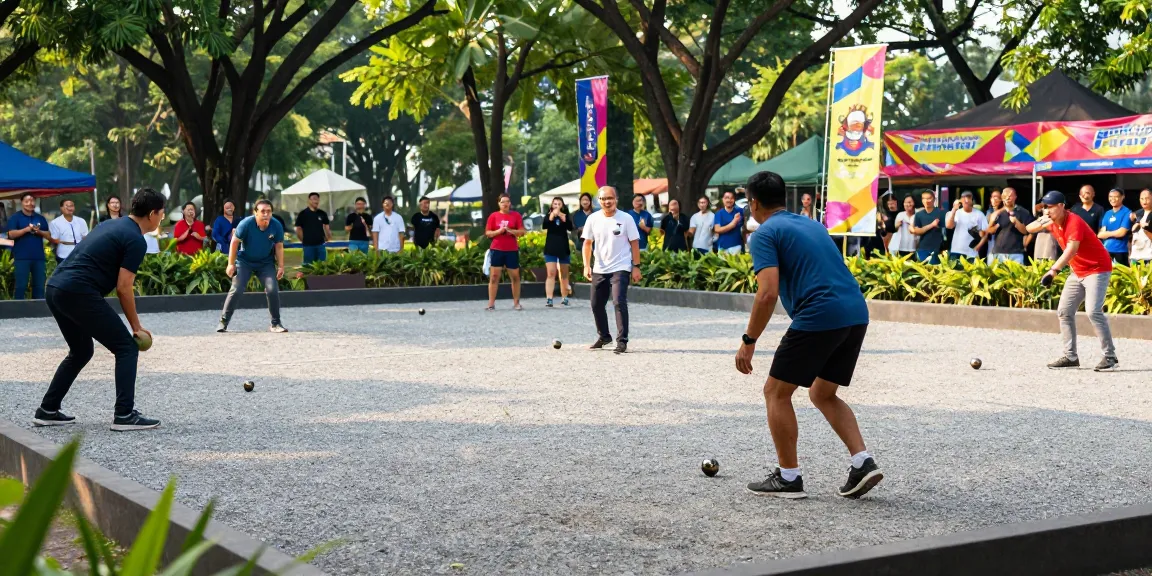
Understanding Petanque and Its Growth in Indonesia
Petanque, a sport with roots deeply embedded in French culture, has made its way into the Indonesian sports scene, particularly in Banjarbaru. Understanding its journey provides insight into how a game, once merely an expatriate pastime, has evolved into a formalized sporting activity that fosters community engagement and athletic development. The organization that embodies this journey is the fopikotabanjarba.org, which plays a pivotal role in promoting petanque within the region.
The Origins of Petanque in Indonesia
The precise timeline of when petanque arrived in Indonesia remains somewhat ambiguous. However, it is widely acknowledged that the sport first gained a foothold through French expatriates who introduced it in various tourist hotspots such as Jakarta, Bali, and Lombok. Initially played in the confines of French-managed hotels, petanque was not widely recognized outside these circles. The earliest documented instance of a local engagement with the sport traces back to the 1990s, with individuals like Eddie Lim learning the game in Ancol, Jakarta, and subsequently promoting it in Singapore.
Development of Petanque Organizations in Banjarbaru
The formal establishment of petanque as an organized sport in Indonesia came in the wake of Indonesia hosting the SEA Games in 2011. In response to this, the Perusahaan Daerah Pertambangan dan Energi (PDPDE) formed the Federasi Olahraga Petanque Indonesia (FOPI) on March 11, 2011. This organization, now operating under the auspices of FOPI Provincial South Kalimantan, has been instrumental in cultivating the sport at various levels, including grassroots initiatives and competitive platforms throughout regions like Banjarbaru.
Historical Milestones and Key Events
A significant milestone for petanque in Indonesia was its inclusion as a mandatory sport during the SEA Games held in Jakarta-Palembang in 2011. This recognition not only elevated the sport’s profile but also garnered support for future events and training programs aimed at discovering and nurturing potential champions. The establishment of FOPI marked a turning point, providing structure and resources for athletes, while also fostering a growing community around the sport.
FOPI Kota Banjarbaru’s Role in Promoting Petanque
At the core of petanque’s evolution in Banjarbaru is the FOPI Kota Banjarbaru. This organization is dedicated to the development, coaching, and promotion of petanque across the region. From forming local teams to organizing competitive events, FOPI serves as the driving force behind the sport’s growth and visibility in the community.
Mission and Vision of FOPI Kota Banjarbaru
The mission of FOPI Kota Banjarbaru is to nurture a vibrant petanque culture by providing accessible programs and platforms for all ages. Their vision encompasses fostering local talent and preparing athletes for national and international competitions. By aligning with national sports bodies and leveraging local resources, FOPI aims to make petanque a household name within Indonesian sports.
Key Initiatives and Programs Offered
- Training Programs: Regular workshops and training sessions tailored for all skill levels.
- Community Events: Organizing tournaments and exhibitions to engage the local population and raise awareness.
- School Outreach: Introducing petanque in schools to cultivate interest among younger generations.
Collaboration with Local and National Bodies
FOPI Kota Banjarbaru collaborates with various local government initiatives and national sports organizations to create a well-rounded framework for petanque’s development. This collaboration ensures that petanque not only thrives as a sport but is also integrated into community recreational activities across Banjarbaru and beyond.
Best Practices for Organizing Petanque Events
Hosting successful petanque events is crucial for raising the sport’s profile and engaging the community. The following best practices can guide organizers in making their events memorable and impactful.
Essential Planning Steps for Successful Events
- Define Objectives: Clearly outline the goals of the event, whether it’s to promote the sport, fundraise, or scout talent.
- Secure Venue and Equipment: Choose a suitable venue with the necessary infrastructure and amenities for participants and spectators.
- Marketing and Promotion: Use social media, local newspapers, and community bulletins to spread the word about the event.
- Monitor Registration: Keep track of participant registrations and ensure that the event can accommodate all entries comfortably.
Engaging the Community and Participants
Engagement is key to a successful event. Incorporate community feedback during the planning phase and encourage local businesses to support or sponsor events. This not only increases participation but also builds a sense of ownership and pride within the community.
Measuring Success and Gathering Feedback
After the event, it’s essential to evaluate its success through participant feedback and attendance numbers. Surveys can be distributed to gather insights on participants’ experiences and areas for improvement. This information is invaluable for refining future events and fostering continual growth within the petanque community.
Challenges in the Petanque Community
Despite the growing popularity of petanque, several challenges continue to hinder its development in Indonesia. Addressing these challenges is vital for fostering a more inclusive and thriving petanque culture.
Common Misconceptions About Petanque
Many people view petanque as an exclusive sport for the wealthy or elderly, primarily due to its origins in expatriate circles. Changing these perceptions requires education and outreach to showcase the accessibility and enjoyment that petanque offers to all age groups.
Overcoming Participation Barriers
Barriers to participation can include a lack of facilities and equipment, as well as limited knowledge about the sport. FOPI Kota Banjarbaru is working diligently to address these issues by providing training and creating more accessible play areas. Community initiatives can help rectify misconceptions and encourage broader participation.
Strategies for Building a Stronger Community
- Inclusive Events: Host events that welcome players of all skill levels, including novices, to create a more diverse player base.
- Local Partnerships: Collaborate with schools and community centers to introduce petanque as part of recreational activities.
- Mentorship Programs: Establish mentorship schemes where seasoned players can guide newcomers, fostering relationships within the sport.
Future Trends for Petanque in Indonesia (2026 and Beyond)
As the popularity of petanque continues to rise, several trends are emerging that may shape its future landscape in Indonesia over the next decade.
Emerging Trends in Sports Participation
With the global shift towards inclusive sports, petanque stands to benefit from a broader acceptance and participation across diverse demographics. Initiatives that promote family involvement can engage younger audiences, paving the way for a new generation of petanque enthusiasts.
Advancements in Petanque Facilities and Equipment
As more communities embrace petanque, investment in dedicated facilities and high-quality equipment will become increasingly important. This will enhance the overall experience for players and spectators alike, leading to greater participation and interest in the sport.
Vision for Growth and Development in National Events
Looking towards 2026, the vision for petanque in Indonesia includes expanding national competitions and increasing international exposure. This growth will not only bolster the sport’s reputation but will also inspire aspiring athletes to pursue petanque at a competitive level.
